
Why Is Dog Teeth Cleaning Important?
Dental disease is one of the most common conditions seen in dogs. Plaque forms on the teeth every day, and it hardens into tartar if it is not removed. Bacteria can spread below the gumline, and inflammation may develop, which is known as gingivitis. If left untreated, periodontal disease can lead to tooth loss and systemic infection.
How Often Should Dog Teeth Cleaning Be Done?
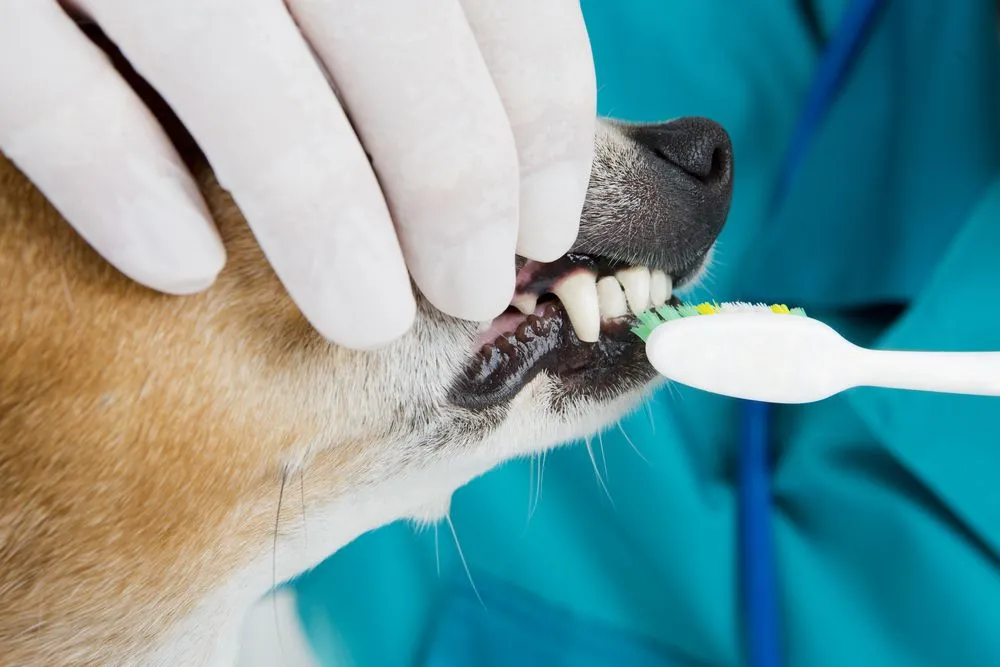
The frequency of dog teeth cleaning depends on your dog’s age, breed, and dental condition. Some dogs require professional cleaning once a year, while others may need more frequent care. Small breeds and older dogs are often more prone to plaque buildup. Recommendations for care are based on clinical findings, and a personalized plan is created. Regular checkups ensure that dental problems are identified early and managed effectively.
What Happens During a Professional Cleaning?
Professional dog teeth cleaning is performed under anesthesia to allow a thorough and safe procedure. The teeth are scaled to remove plaque and tartar from above and below the gumline. Polishing is then completed to smooth the tooth surface and reduce future buildup.
Dental X-rays may be taken to assess the roots and surrounding bone. In some cases, extractions are necessary if a tooth is severely damaged or infected. The procedure is carefully monitored, and your pet’s comfort is a top priority throughout the process.
Is Anesthesia Safe for My Dog?
Many pet owners express concern about anesthesia, and this concern is understandable. Modern veterinary anesthesia is considered safe when proper protocols are followed. Pre-anesthetic bloodwork is often performed to assess organ function.
During the procedure, vital signs are continuously monitored by trained staff. Adjustments are made as needed, and recovery is closely observed. Our veterinarian will discuss any risks and explain how safety measures are used to protect your dog.
How Can I Maintain My Dog’s Dental Health at Home?
Home care plays a key role in preventing dental disease. Daily brushing with pet-safe toothpaste is recommended, and it helps remove plaque before it hardens. Dental chews and approved diets can also support oral health, although they do not replace professional care.
Consistency is important, and habits should be established early when possible. Pet owners who use regular at-home care often notice improved breath and healthier gums.
When Should I Schedule a Dental Visit
Millbrae Pet Hospital provides comprehensive dog teeth cleaning and preventive services. Early treatment can prevent more serious complications. To learn more or schedule an appointment, call our office at (650) 583-1500. Out team will guide you through every step, and your dog’s long-term health will be supported through consistent, high-quality care.